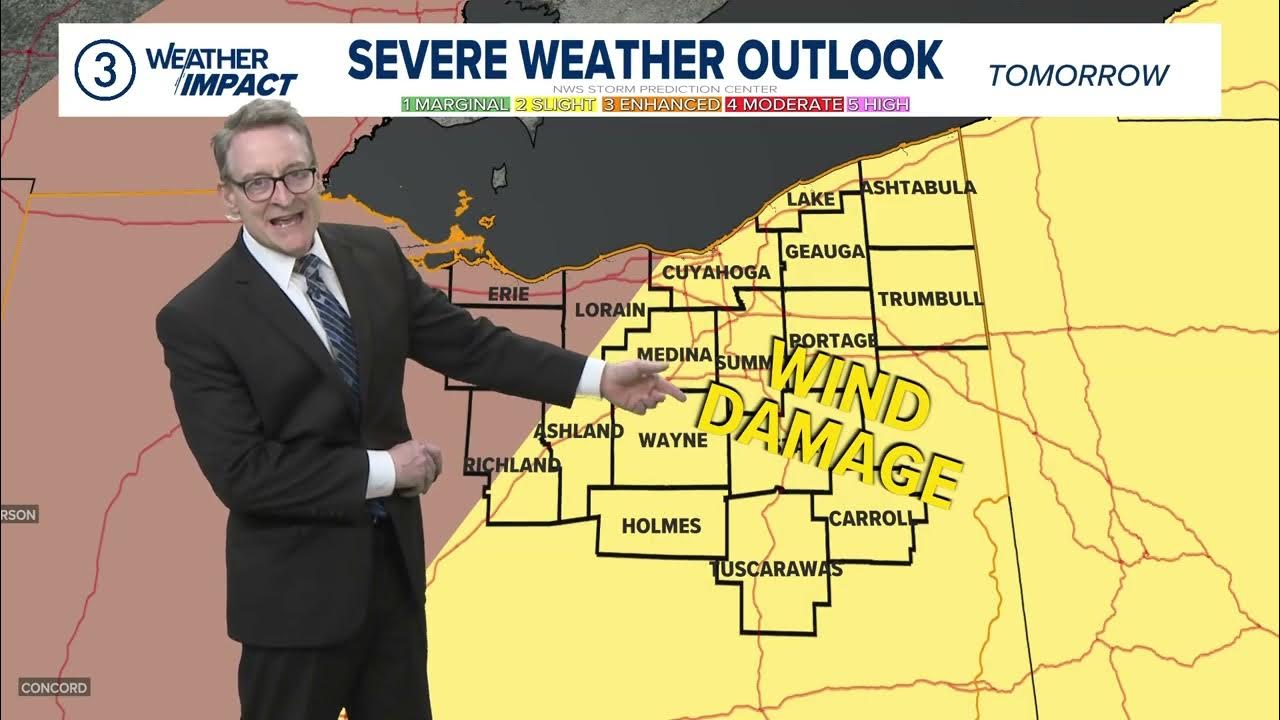
Seattle's unique blend of stunning natural beauty and urban dynamism is often intertwined with its equally distinctive weather patterns. While the Pacific Northwest is renowned for its iconic rain, the true impact of meteorological events on daily life extends far beyond a simple percentage chance of precipitation. For residents and visitors alike, understanding and responding to a weather impact alert is not merely about knowing if it will rain, but about preparing for how that rain, or wind, or snow, will affect commutes, power grids, and personal safety. In an era of increasingly unpredictable climate shifts, moving beyond a basic forecast to truly grasp the potential ramifications of weather events has become paramount for navigating life in the Emerald City.
What Exactly is a Weather Impact Alert?
A standard weather forecast provides crucial information: temperature, wind speed, precipitation chances. However, a weather impact alert takes this data a critical step further. It's not just about *what* the weather will be, but *how* it will disrupt, damage, or endanger. Think of it as a proactive warning system designed to translate raw meteorological data into actionable insights for the public.
Instead of simply forecasting "heavy rain," an impact alert would specify "heavy rain leading to localized urban flooding, potential for landslides in saturated areas, and significant traffic delays on major arteries." Similarly, a high wind forecast might evolve into an impact alert for "gusty winds causing widespread power outages due to downed trees and potential ferry service cancellations."
The core purpose of a weather impact alert is to empower individuals and communities to make informed decisions before a weather event escalates. This includes:
- Safety: Protecting lives by advising against dangerous travel, recommending shelter, or outlining health risks.
- Property Protection: Guiding actions to secure homes, vehicles, and businesses against potential damage.
- Operational Continuity: Helping businesses, schools, and public services plan for disruptions and maintain essential functions.
- Resource Management: Allowing emergency services and utility companies to pre-position resources.
By shifting the focus from mere observation to anticipated consequence, these alerts serve as a vital tool for resilience in the face of nature's forces.
Seattle's Unique Weather Challenges and Common Impact Scenarios
Seattle's topography and coastal proximity create a distinct set of weather challenges that frequently trigger Seattle Weather Forecasts: Your Guide to Potential Impact Alerts and subsequent impact alerts. Understanding these common scenarios is key to preparedness:
- Heavy Rain and Flooding: While Seattle is accustomed to rain, intense, prolonged downpours can quickly overwhelm urban drainage systems, leading to localized street flooding. More critically, saturated hillsides, especially after dry spells, become highly susceptible to landslides, posing a significant threat to infrastructure and homes. A weather impact alert for heavy rain often includes warnings about these specific hazards.
- High Winds: Windstorms are a recurring concern, particularly from late fall to early spring. Strong gusts, amplified by Puget Sound's open waters and the area's numerous mature trees, are notorious for downing power lines, causing widespread power outages, and disrupting ferry services. Alerts for high winds frequently emphasize potential power loss and travel advisories.
- Snow and Ice: Though less frequent than in other regions, even a few inches of snow or a light ice accumulation can bring Seattle to a standstill. The city's hilly terrain becomes treacherous, public transit faces severe delays, and commuters often struggle. A snow or ice weather impact alert is usually accompanied by warnings about dangerous driving conditions, school closures, and potential for stranded vehicles.
- Coastal Impacts: Seattle's waterfront location means it's vulnerable to king tides, storm surges, and coastal erosion during severe weather. These can lead to flooding in low-lying areas, damage to docks, and disruption of marine activities. Alerts here often target coastal communities and maritime operations.
- Heatwaves: While historically cooler, Seattle has experienced increasingly frequent and intense heatwaves. These events, especially when sustained, can pose serious health risks, particularly for vulnerable populations without air conditioning. Heat-related impact alerts often highlight cooling center locations and hydration recommendations.
- Wildfire Smoke: A more recent but significant impact scenario stems from wildfires, often hundreds of miles away. Smoke plumes can drift into the region, leading to degraded air quality, poor visibility, and health warnings. Air quality alerts, a form of weather impact alert, advise on reducing outdoor activity and protecting respiratory health.
Staying Ahead: Your Guide to Receiving and Understanding Alerts
Proactive engagement with weather information is the first step towards preparedness. Knowing where to get reliable alerts and how to interpret them is crucial for every Seattleite. For continuous monitoring and detailed forecasts, consider Monitoring Seattle's 7-Day Forecast for Crucial Weather Impact Alerts.
Key Sources for Weather Impact Alerts:
- National Weather Service (NWS) Seattle: The official source for all weather watches, warnings, and advisories. Their website and social media channels provide comprehensive and timely information.
- Local News Outlets (e.g., KIRO 7 News): Local television and radio stations, like KIRO 7, are excellent aggregators of NWS data, often providing localized context, live updates, and expert analysis tailored to the Seattle area.
- Emergency Management Agencies: The Seattle Office of Emergency Management (OEM) and King County Emergency Management often issue alerts and preparedness guidance directly to the public via their websites, social media, and opt-in notification systems.
- Weather Apps and Smart Devices: Many modern weather apps (e.g., NOAA Weather Radar, AccuWeather, The Weather Channel) offer customizable push notifications for severe weather in your specific location. Smart home devices and smart speakers can also provide weather updates upon request.
- NOAA Weather Radio: A dedicated, battery-backup radio is a reliable source for NWS alerts, especially during power outages when internet or cell service may be disrupted.
Understanding Alert Terminology: Watches, Warnings, and Advisories
It's vital to differentiate between these terms, as they signal different levels of urgency and action:
- Weather Advisory: Conditions are expected to be inconvenient or somewhat hazardous, but not immediately life-threatening. Examples: wind advisory, dense fog advisory, winter weather advisory. *Action: Be aware, exercise caution, plan for minor disruptions.*
- Weather Watch: Conditions are favorable for severe weather to develop in or near your area. It means "conditions are right" for a specific threat. Examples: flood watch, high wind watch, winter storm watch. *Action: Stay informed, prepare to take action, have a plan in place.*
- Weather Warning: Severe weather is imminent or already occurring in your area. This is the highest level of alert, indicating an immediate threat to life and property. Examples: flood warning, severe thunderstorm warning, winter storm warning. *Action: Take immediate protective action.*
When you receive a weather impact alert, always look beyond the headline. Read the details for specifics on affected areas, expected start/end times, intensity, and recommended actions. Knowing your exact location relative to the warned area is critical.
Preparing for the Unpredictable: Practical Tips for Seattleites
Translating alerts into action is the cornerstone of effective preparedness. Here are practical steps every Seattle resident can take:
- Home Preparedness Kit: Assemble an emergency kit with at least three days' supply of water, non-perishable food, a first-aid kit, a battery-powered or hand-crank radio, flashlights, extra batteries, and any necessary medications. Don't forget a backup power bank for charging phones.
- Secure Your Property: Before high winds, secure loose outdoor items (patio furniture, trash cans, grills) that could become projectiles. Clear gutters and storm drains of leaves and debris to prevent localized flooding during heavy rain.
- Commute and Travel Planning: During potential impact alerts for snow, ice, or severe wind, check real-time traffic (WSDOT), transit alerts (King County Metro, Sound Transit), and ferry schedules (WSF). Have alternative routes planned, or consider working from home if possible. Drive defensively and slow down in adverse conditions.
- Power Outage Readiness: Keep cell phones and laptops charged. Know how to manually open your garage door if the power goes out. Have a supply of blankets and warm clothing for winter outages. Report outages to Seattle City Light or your provider, but avoid calling 911 unless it's an emergency.
- Health and Safety: During heatwaves, stay hydrated, seek shade, and know the locations of cooling centers. During cold snaps, dress in layers and ensure heating systems are working properly. If a flood warning is issued, never drive or walk through floodwaters – "Turn Around, Don't Drown." Be aware of carbon monoxide risks if using generators or alternative heating sources.
- Community Connection: Check on elderly or vulnerable neighbors during severe weather events. Offer assistance if safe to do so, or help direct them to resources. Community resilience is built on strong local connections.
The Future of Weather Impact Alerts in Seattle
As climate patterns continue to evolve, Seattle can anticipate shifts in the frequency and intensity of certain weather events. This means the role of the weather impact alert will only grow in importance. Advancements in meteorological forecasting, coupled with enhanced communication technologies, will likely lead to even more precise, localized, and timely alerts. However, technology is only one part of the equation. The human element – individual preparedness, community awareness, and a culture of resilience – remains crucial. By staying informed, taking proactive steps, and understanding the 'why' behind each alert, Seattleites can better safeguard themselves and their community against whatever the weather may bring.
Staying informed about weather impact alerts is an ongoing responsibility, not a one-time check. By understanding what these alerts mean, knowing where to find them, and taking decisive action based on their guidance, Seattle residents can significantly enhance their safety and minimize disruptions. Embrace preparedness as a core aspect of living in our beautiful, yet climatically dynamic, city.